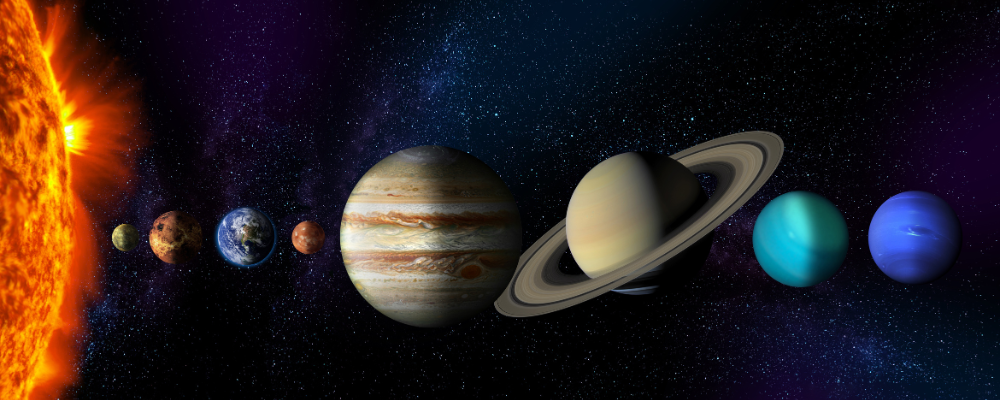
There is something magical about capturing a planet with your own telescope and camera. Watching the bands of Jupiter, the rings of Saturn, or the rusty surface of Mars appear on your screen feels like touching the cosmos. The good news? You don’t need to be a professional astronomer or own an observatory to get started. With a modest telescope, a decent camera, and some patience, planetary astrophotography is within your reach, and this Planetary Astrophotography will help you take your first steps into the cosmos.
Understanding the Planetary Astrophotography
Unlike deep-sky astrophotography, which requires hours of long exposures, planetary imaging is about short bursts. Planets are bright but small, so instead of taking single photographs, astrophotographers record short video sequences. These videos are later processed to reveal the best, sharpest frames—a method often called “lucky imaging.” Even beginners can capture surprising detail this way, making planets a wonderful entry point into astrophotography.
Related Post: How to Photograph Planets
Choosing the Right Equipment
Telescopes for Planetary Astrophotography
Your telescope is the window to the planets. While there is no single perfect option, reflectors, Schmidt-Cassegrain, or Maksutov-Cassegrain telescopes are popular for planetary work. A 6–10 inch aperture strikes a good balance between detail and affordability. Explore beginner telescopes →
Mounts
A stable mount makes the experience far smoother. Unlike deep-sky imaging, planetary astrophotography doesn’t demand extreme precision, but a mount that tracks your target across the sky is invaluable. Shop tracking mounts →
Cameras
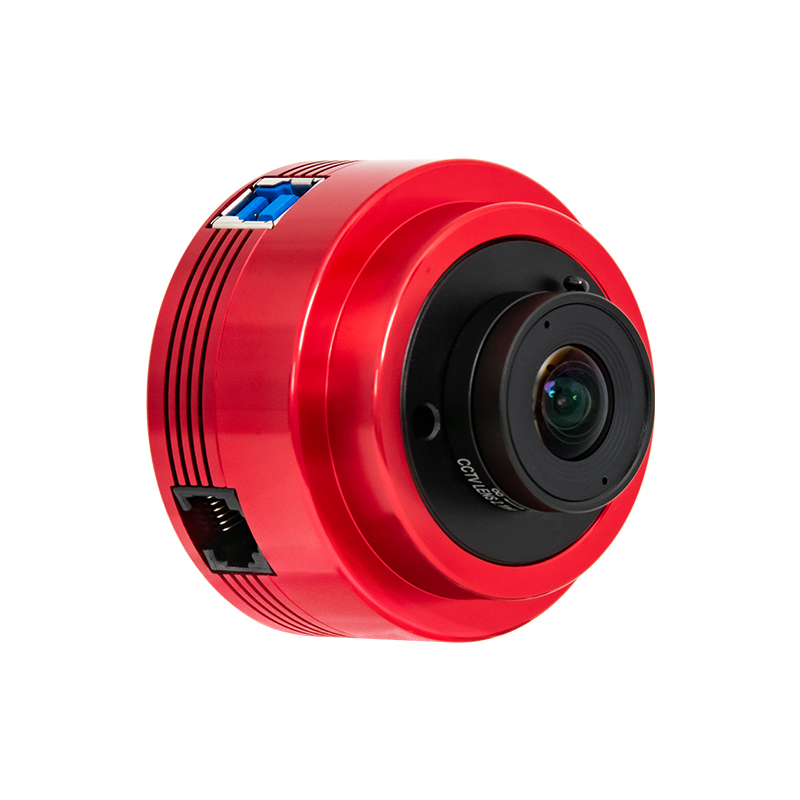
For capturing detail, cameras matter. Dedicated CMOS planetary cameras are compact and optimized for high frame rates, but DSLRs or mirrorless cameras can also do the job when paired with your telescope. Browse planetary cameras →
Filters
Filters are the unsung heroes of planetary astrophotography. A simple IR/UV cut filter improves sharpness, while color filters can reveal hidden features such as the swirling clouds on Jupiter or the subtle surface tones of Mars. For solar imaging, specialized filters are essential for safety. Check astrophotography filters →
Barlow Lenses
A Barlow lens increases magnification, helping you capture fine planetary detail. For many beginners, this small addition transforms their planetary images. See Barlow lenses →
Capturing the Planets
Timing is everything. Planets look their best when they are high in the sky, reducing the distortion caused by Earth’s atmosphere. Once your telescope is set up, instead of snapping single photos, record short videos-typically one to two minutes long. These videos will contain thousands of frames, some blurred by turbulence, but hidden among them are crisp, sharp moments that stacking software can bring to life.
Focus carefully; this can be the trickiest part. Use your camera’s live preview, adjusting until features like Saturn’s rings or Jupiter’s cloud belts snap into clarity. Adding filters can further refine the details and colors. The process may take practice, but every attempt teaches you something new.
Processing Your Images
This stage turns your raw captures into striking planetary portraits. Software like AutoStakkert! aligns and stacks your best frames, while RegiStax allows you to sharpen the image with wavelet adjustments. A little fine-tuning in Photoshop or GIMP enhancing contrast, color, and noise reduction, completes the transformation.
Tips for Beginners
Start with the brightest and most forgiving targets, like Jupiter and Saturn. Don’t be discouraged by your first attempts; they may look blurry at first, but stacking and processing will surprise you. Remember that good planetary imaging depends heavily on atmospheric steadiness. Even the best telescope won’t reveal much detail on a turbulent night, so patience pays off. Above all, aim for natural-looking results; it’s easy to over-process, but planets are already beautiful on their own.
Looking Beyond the Planets
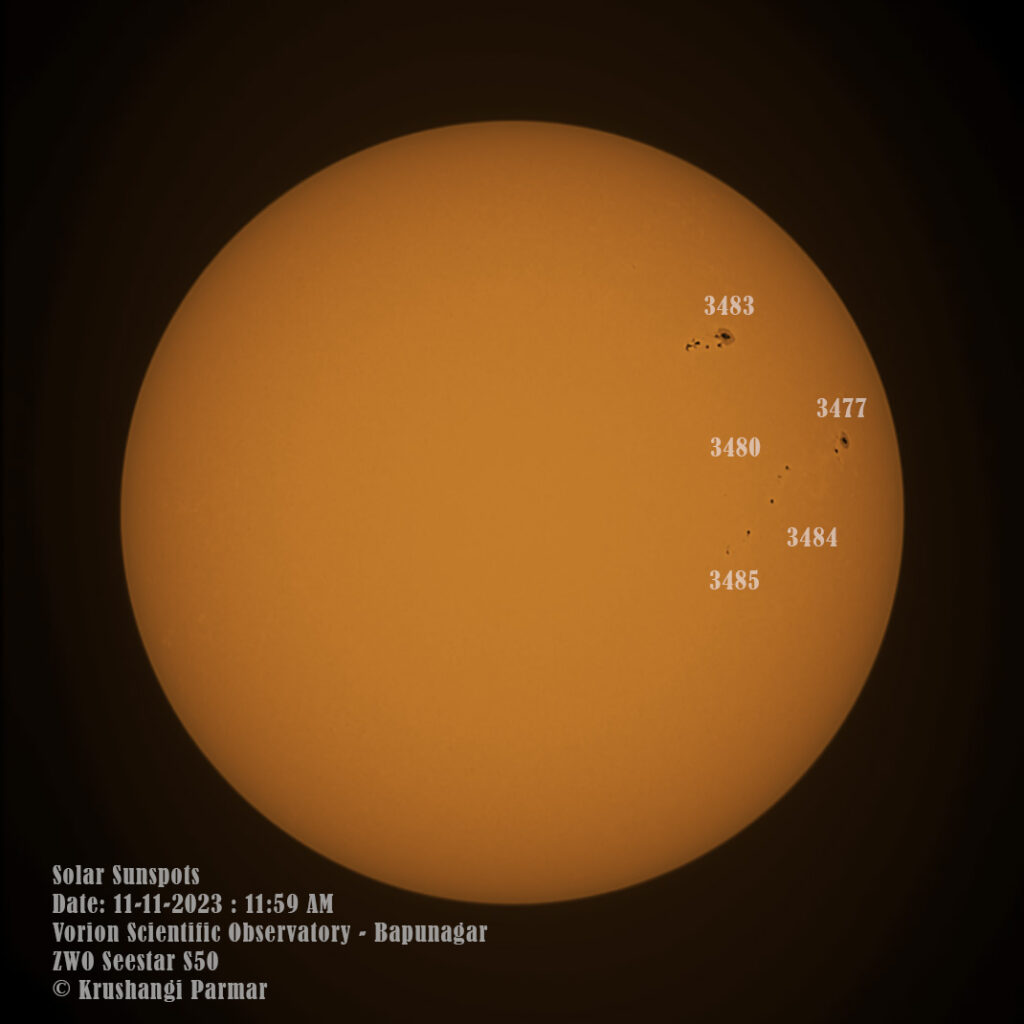
Once you’ve captured your first planetary images, the sky opens up. The Moon offers endless opportunities for detailed imaging. With proper solar filters, you can safely photograph sunspots and prominences. And when you’re ready to take on a new challenge, deep-sky astrophotography awaits, with galaxies and nebulae requiring longer exposures and more advanced setups.
Final Thoughts
Planetary astrophotography is both approachable and deeply rewarding. With a reliable telescope, a capable camera, and the right filters, you can capture breathtaking images of our neighbors in the solar system. Whether it’s the serene rings of Saturn, the dramatic storms of Jupiter, or the fiery face of our Sun, each image connects you more closely with the universe.
Clear skies, and happy imaging!